Gold carries promise wherever it is found. However, in some parts of Ghana, gold discovery has left a bitter taste in the mouths of the inhabitants of the land. The rise of illegal mining (Galamsey) has deepened this contradiction, turning once-thriving environments into cautionary tales.
Galamsey has become a menace that, every passing second it remains unchecked, brings more devastation for water, land, and people. For years, Ghana has thrown laws, task forces, and political will at the problem, yet it grows bolder.
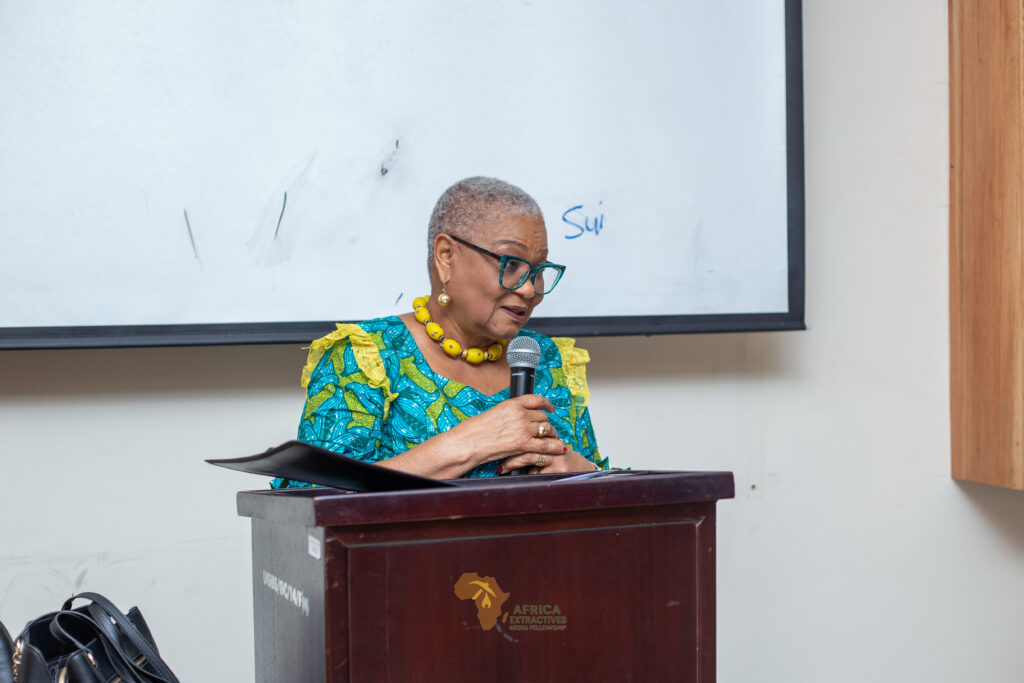
In a session at the Africa Extractives Media Fellowship, former CEO of the Ghana Chamber of Mines Rev. Joyce Aryee offered a hard truth: the fight against galamsey is failing not because we lack solutions, but because we lack integrity.
She said, “Life is generational. You can’t think that you need to take everything today, and then be in a hurry to have children, and then wonder how your children are going to manage.”
The Gold Paradox: Riches vs. Ruin
For a country that now ranks sixth in the world for largest gold deposits and first in Africa, with an estimated 140.6 tonnes of gold deposits, one would expect a tremendous surge in development in Ghana, especially in the localities where these minerals are mined.
Yet, this is rarely the case. Conversely, in most instances where there is some development, the bad effects outweigh the positive outcomes.
The evidence of worsened Living Conditions in Mining Towns
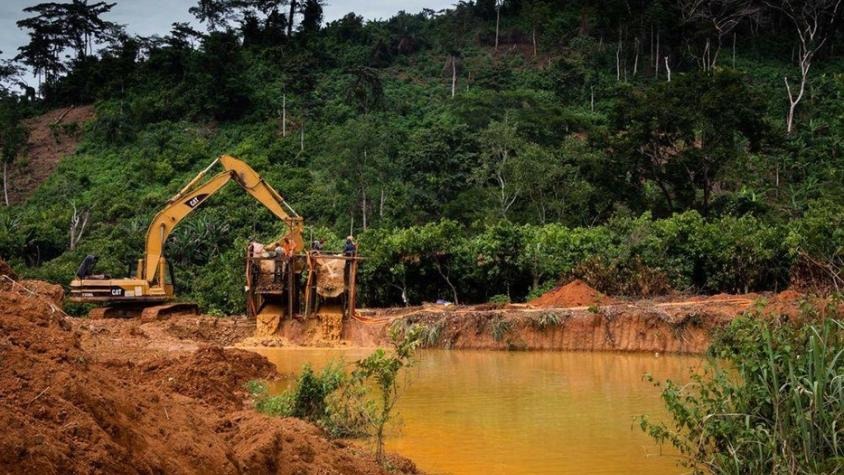
Photo credit: Ghana Center for Democratic Development
A study by the University of Ghana showed that some of the positive effects of large-scale gold mining on local communities in Ghana were the generation of employment, infrastructural development and scholarship schemes for students to further their education.
Nevertheless, there were also notable adverse consequences, including job loss, food insecurity, displacement, heightened social tension, an increase in social vices, high living expenses, and health problems like skin rashes, colds, and coughs.
Respondents used a variety of coping strategies to deal with the negative effects of the mines, including acquiring alternative farmlands from nearby communities, diversifying into other livelihoods such as trading, purchasing cheaper foodstuffs from nearby communities, and using ointments to treat skin rashes.
Communities would sometimes organise demonstrations to express their displeasure.
Another study conducted in Tarkwa and Obuasi by the International Journal of Development and Sustainability found that it has worsened living conditions, particularly for indigenous people who are not employed in the sector.
This situation of imbalance in these mining communities reflects Madam Aryee’s thoughts when she said, “We need to have a balance with land rights and livelihood protection, as I said. Every mining activity will compete with other uses for land and will disturb, partially and for a time, livelihood. So, we need to really draw the balance.”
The Solution of Integrity, Transparency, and Generational Balance
Madam Aryee suggested three areas that needed to be scrutinized to bring balance: transparency, accountability, and stakeholder engagement, all summed up in one word — integrity.
In her words, “When it [integrity] is part of a lifestyle, a lifestyle of knowing that my activities and the community’s needs and demands must align, then I’ll be working properly. Transparency is very important, and so are fair labor standards. It’s very important.”
The Ethical Crisis
She highlighted the current poor ethical landscape in these examples to illustrate the lack of integrity and ensuing lawlessness:
1. Protecting Kingpins: When individuals are caught as kingpins of illegal mining, certain chiefs or pastors will call to protect them, indicating that those in positions of authority or influence sometimes shield wrongdoers.
2. Abusing Influence to Break Laws: The general problem of lawlessness in the country is highlighted, where people prioritize personal gain over legal compliance. This mindset is described as “It suits me, so it’s okay. Break the law, but it suits me, right?”
For instance, people caught by law enforcement may make a phone call to be “taken out” of the situation, even when they admit to doing wrong.
3. Making Excuses for Illegality: She equates making excuses for illegal mining (such as claiming people lack jobs) to justifying crimes like armed robbery because one needs money.
According to Madam Aryee, integrity requires the courage to refuse to accept anything illegal, “period“!
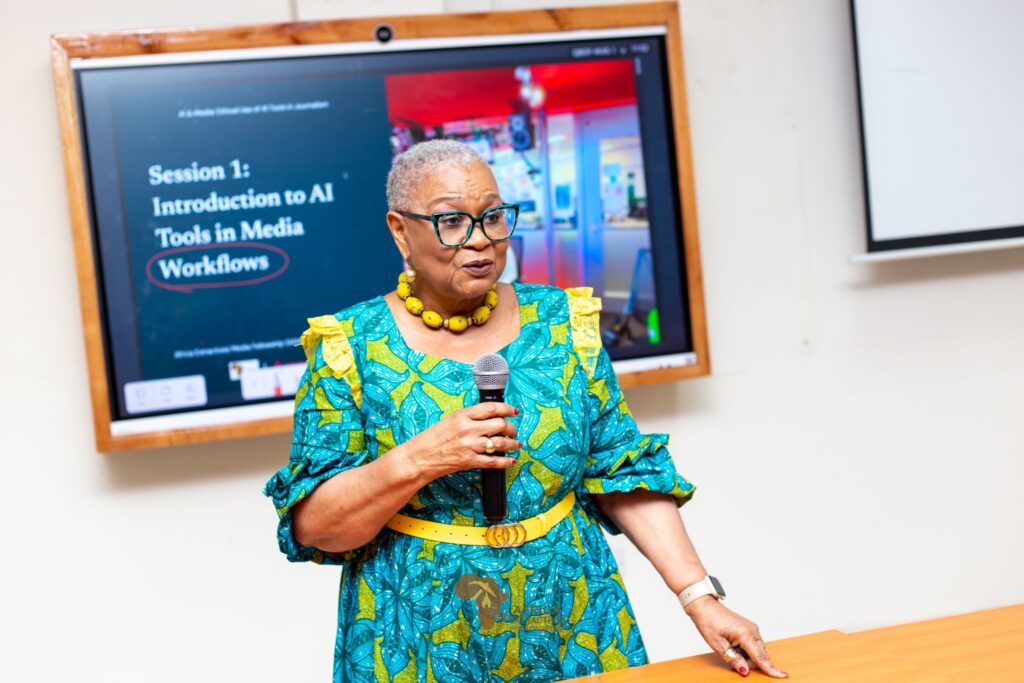
Photo credit: AEMF
Vision, Courage, and Social Responsibility
In the larger context of ethical leadership, integrity is crucial because leaders in the extractive sector face ethical dilemmas, such as balancing economic growth against environmental and social damage.
The ethical mandate requires chief executives to balance shareholder expectations with community demands.
Madam Aryee emphasized that to successfully lead with ethics, leaders must demonstrate:
- Vision and Courage: Leaders must be “generational thinkers” and envision a Ghana 50 or 100 years in the future. It takes courage to implement laws and policies, especially against vested interests, and avoid shortchanging the country.
- Social Responsibility over Compliance: Ethical leadership requires embedding social responsibility into corporate strategy, going beyond mere regulatory compliance.
A company acting with integrity and social responsibility will adhere to speed limits in a community whether a policeman is present or not, because they understand the community and its needs.
- Transparency and Accountability: These are extremely important challenges that leaders must address, and they are intrinsically linked with integrity in combating illegality.
The Moral Foundation for a Sustainable Future
Ghana’s struggle with illegal mining is not simply a technical or security challenge; it is a test of values. The devastation in mining communities reflects what happens when integrity gives way to impunity and when personal gain outweighs collective survival.
As Rev. Joyce Aryee emphasized, real change begins when individuals, leaders, and institutions choose transparency and responsibility over shortcuts and silence. If Ghana is to break free from the grip of galamsey, integrity must move from rhetoric to practice — in boardrooms, in palaces, and in everyday choices.