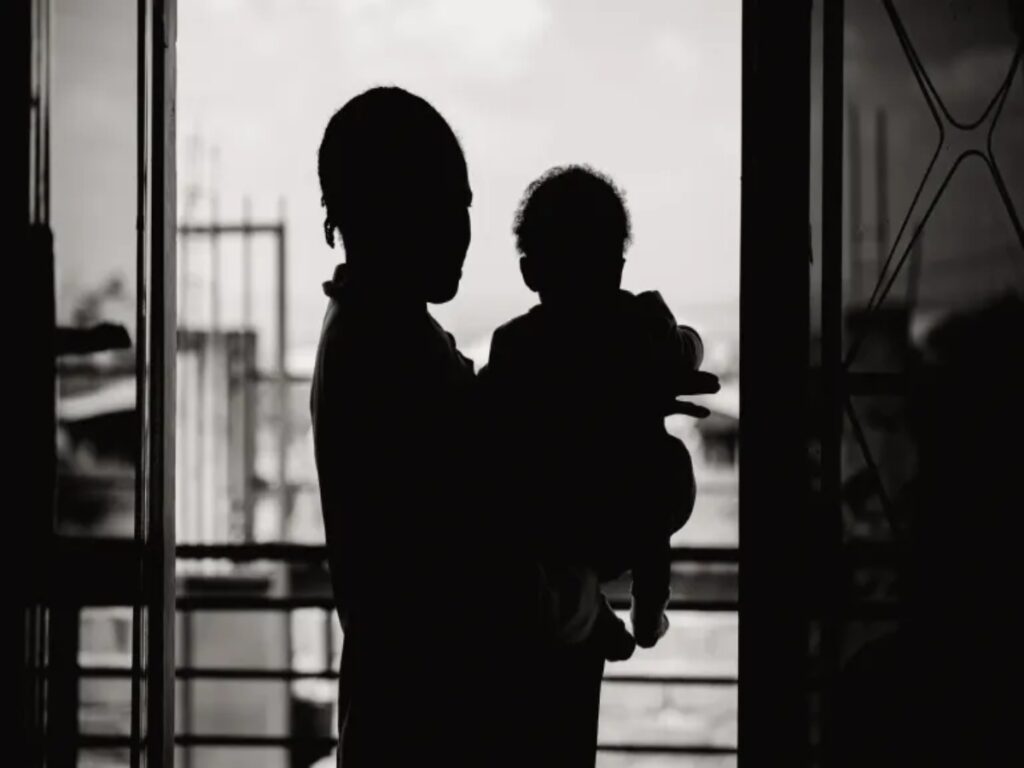
Sexual violence against children is widespread, deeply rooted, and getting worse in the Democratic Republic of the Congo (DRC), UNICEF, the United Nations agency for children, recently warned.
Children Into Targets
Data gathered by organizations that provide protection and services for gender-based violence shows that in the first nine months of 2025, there were over 35,000 reported cases of sexual violence against children, according to a news release.
UNICEF Executive Director Catherine Russell said, “Case workers describe mothers walking for hours to reach clinics with daughters who can no longer walk after being assaulted. Families say that fear of stigma and retaliation often keeps them from reporting the abuse. Stories like these are repeated across provinces, exposing an entrenched crisis driven by insecurity, inequality, and weak support systems.”
“Addressing this crisis of sexual violence requires an immediate response and adherence to international law in conflict settings. Perpetrators must be held accountable, and women and children must have access to protection and support,” Russell added.
Nationwide, adolescent girls are the most affected, making up the largest and increasing group of survivors. While boys also experience sexual violence, they were significantly under-represented in reported cases. Children with disabilities face greater risks due to physical, social, and communication barriers that increase their vulnerability and limit their access to care and justice.
In Sudan, a similar problem was recorded. Earlier this year, UNICEF revealed that sexual violence against children was being used as a common tactic in the ongoing conflict. A recent report showed that millions of children are at risk due to this troubling trend.
The agency disclosed that even children as young as one year old have been victims of rape in nine states across Sudan.
The threats for survivors
The agency noted that Sudanese women and girls were leaving their homes and families due to the harsh reality of violence and the fear of becoming victims. They often moved to other cities, where they found themselves in makeshift camps or communities with limited resources.
In these places, the risk of sexual violence is high, particularly for children who have been displaced.
According to UNICEF, survivors are left without access to their rights to health, dignity, and justice and frequently endure serious physical injuries, unintended pregnancies, and increased chances of HIV and other sexually transmitted infections, along with significant emotional distress such as fear, anxiety, depression, and social isolation, including being shunned by families and communities.
Law versus action
Article 27 of the African Charter on the Rights and Welfare of the Child, established in 1990, emphasizes the obligation of States Parties to safeguard children from all forms of sexual exploitation and abuse.
It mandates that these states take specific measures to prevent various harmful practices, including the inducement, coercion, or encouragement of children to participate in any sexual activities.
“A protected child is a secure future,” wrote a child from the DRC in a message addressed to world leaders through the Prove It Matters campaign, led by the Office of the Special Representative of the Secretary-General for Children and Armed Conflict, according to UN Geneva.
However, in the Democratic Republic of the Congo and Sudan, UNICEF has found a significant difference between what the law says and what actually happens.
Despite the existence of national laws and regional human rights agreements, government agencies often respond slowly, inconsistently, or not at all. This failure has allowed sexual violence against children to persist with little or no consequence for perpetrators.
Survivors and their families often struggle with inadequate reporting mechanisms, slow investigations, and limited access to courts, especially in conflict-affected areas or where state presence is weak or absent.
Many people are afraid to report because they worry about retaliation, feel ashamed, or believe that authorities will ignore them. This environment sustains a cycle of silence, fear, and impunity.
Human rights advocates emphasize that when law enforcement, courts, and child protection agencies do not take strong action, it violates children’s basic rights to safety, dignity, and justice.
If offenders are not investigated or held accountable, sexual violence becomes accepted, leaving children vulnerable and unprotected by the systems that are supposed to keep them safe.
As UNICEF Executive Russell stated, “The parties to the conflict, and those with influence on them, must make every effort to put an end to these grave violations against children. These scars of war are immeasurable and long-lasting.”